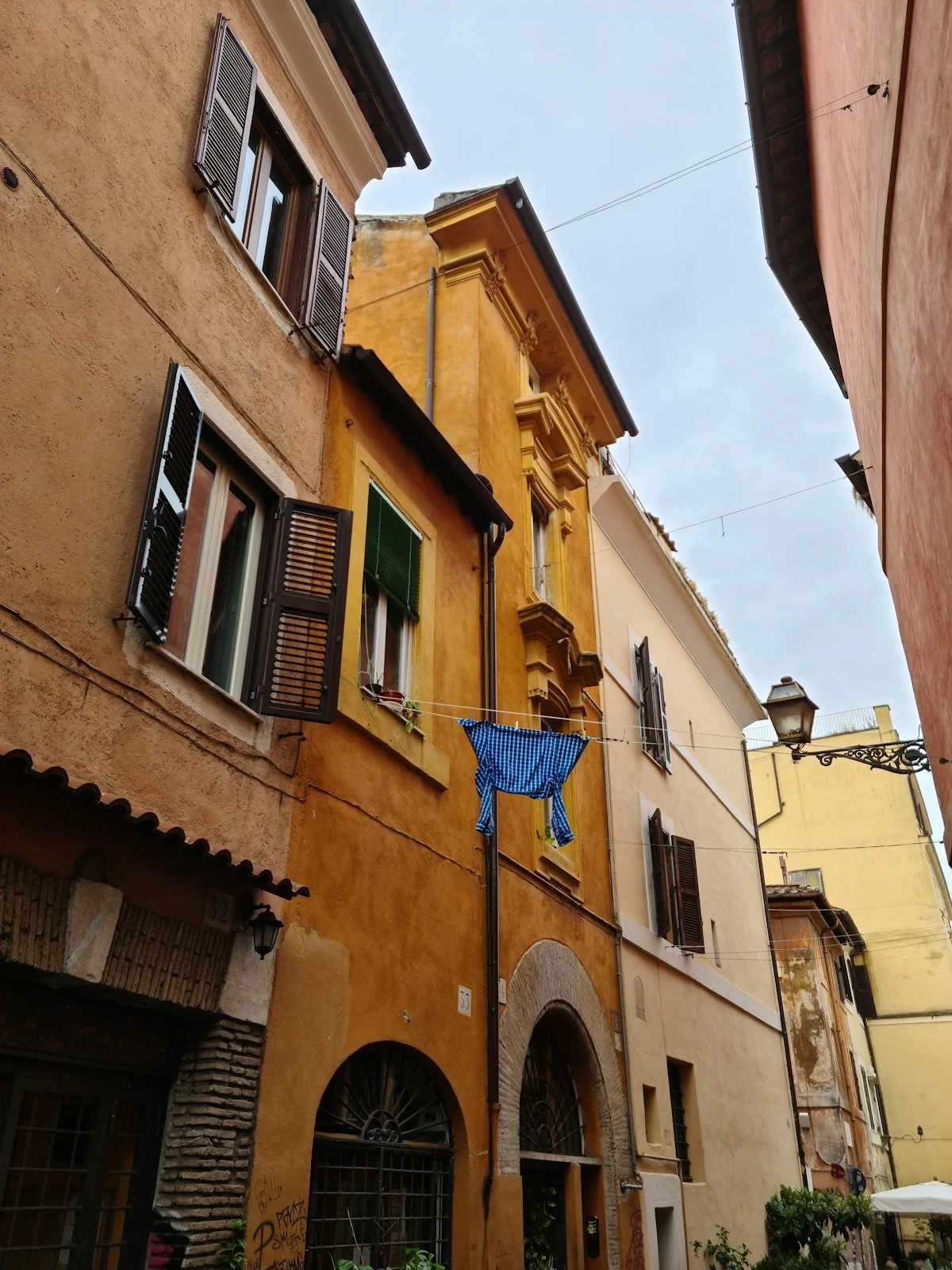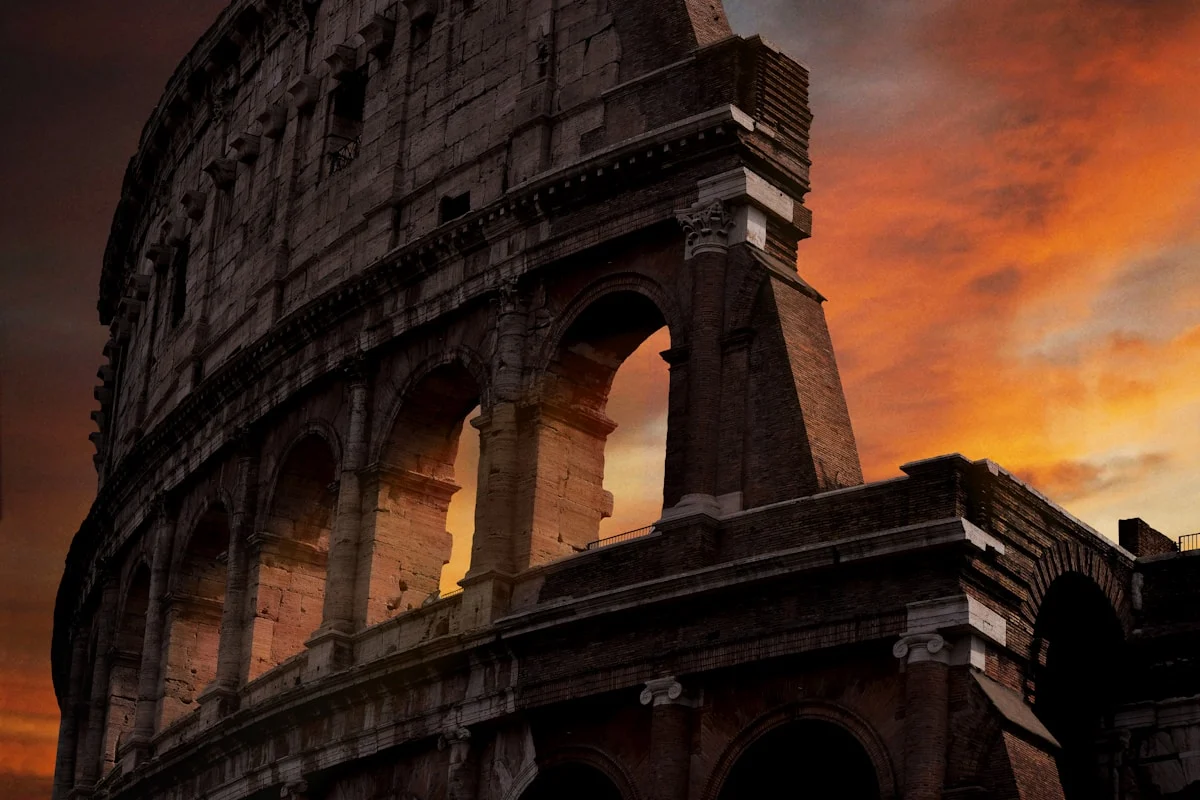
The best Rome Walks route for a day is the one that fits the time, location and interest you actually have. Begin with those three things before choosing a cover photograph. Open the route details, compare the stops and map, and leave space for pauses and the return. A self-guided walk gives you control over the day; it does not require choosing the longest itinerary.
Count the time available for the walk itself
Start with the next fixed commitment, such as a train or museum entry, and work backwards. Subtract the journey to the route, a return margin and a break. For example, ninety free minutes minus twenty for arrival, fifteen for the return and fifteen for a pause leave forty minutes for walking and stories. That is a planning example, not a claim about a particular app route.
If the full route does not fit, choose a shorter one or use a small selection of places as your outing. Do not assume an estimated duration includes every photo, queue, meal or museum interior. Group pace, weather and the way you listen can change the day considerably. Leave the last part optional rather than risking a fixed departure.
Choose one interest and one area
For architecture and central squares, inspect a route such as Pantheon Quarter. For a Vatican-area outing, compare the stops in Vatican & Castel Sant'Angelo. For neighbourhood streets, look at the Trastevere options. Read the actual list: the Trastevere & Gianicolo route includes a hill context, so it should not be treated as a guarantee of a level stroll.
Ancient Rome may suit a different day from Vatican museums. Likewise, a food interest can shape a break without forcing a second long route. The names are starting points for comparison, not promises that all places are open or all tastes will be satisfied. Select the area you want to understand rather than trying to combine every category before dinner.
Check start, finish and the journey between them
Look at the route map before heading towards the nearest famous monument. The route's first stop may not be the point where your transport arrives. Decide how you will reach the actual start and how you will return from the finish. Those transfers are part of the day's effort even when outside the route line.
Read distance and difficulty as planning information, then consider your own needs. Steps, uneven paving, hills and temporary diversions require judgement on site. A label does not certify accessibility for a stroller or mobility device. If access matters, confirm the specific segments and venue entrances before committing.
Separate the guide from admission tickets
A route describing the Colosseum, Roman Forum or Vatican does not itself provide entry to those places. Monument tickets, opening calendars, security and reservations belong to the venue. Check official conditions separately and give an interior visit its own time allowance.
The same applies to paid access within Rome Walks. The app includes free material and paid route access, with terms shown before purchase. Read what is available to you in the installed version. Do not confuse unlocking app stories with a museum reservation or assume that a downloaded route overrides a closed gate.
Prepare language and downloads before leaving
Choose your available language and inspect a few stops. Written material and recordings can have different availability, so check what you want to read or hear. After a language change, verify the relevant downloads again. The website's translated guides and an installed app's current audio catalogue serve different purposes.
Use a reliable connection to download the map and content required for your selected walk. Wait for completion and test the route, a photo and an available recording without data. Save any separate booking and return information too. Offline preparation is most useful when it is actually checked, rather than assumed from having installed the application.
Use the walk flexibly on the street
At the start, confirm the first place and choose somewhere sensible to listen. Pause at crossings and adapt to closures, crowds and the weather. You can spend more time on one story or leave an extension for another visit. A map and narrative support your decisions; they do not replace signs or current conditions.
Before setting off, you should know why you chose this area, how much time you have and how the outing ends. That small preparation makes Rome Walks a practical companion for a personal day in Rome, whether you explore a few central stops or devote a longer morning to one neighbourhood.
Official sources
ROME WALKS
The city, in your pocket.
A route for your mood. Stories behind the stones. A map that brings it all together.
Get Rome WalksApp Store ↗