With three days in Rome, use the extra day to explore a neighborhood rather than adding a third major museum marathon. Keep one day for ancient Rome, one for the Vatican area, and one for streets, food and a smaller-scale walk. You will still have choices to make, but the city will feel less like a sequence of entrances.
This itinerary is a framework, not a timetable. Move the days around when an actual booking or closure requires it. Keep the last day geographically compact, particularly if you are leaving Rome that evening. Three nights and three usable sightseeing days are not always the same thing.
First, count your real time
Write down arrival, accommodation check-in and departure before booking attractions. A morning flight landing outside the city does not give you a full morning in the centre. Similarly, a late train still requires time to collect luggage and reach the correct station.
Choose the two interiors that matter most to you. An archaeology enthusiast might spend longer in the Forum and Palatine; an art-focused visitor might put more time into the Vatican Museums. Someone who prefers the streets can choose fewer interiors altogether. The point of a third day is room to follow an interest, not an obligation to buy another ticket.
Day one: ancient Rome with a clear stopping point
Start near the Colosseum and organize any admission using the official ticket conditions. Give the archaeological visit the time it needs, then follow the outdoor direction towards Piazza Venezia when you are ready. If you are not entering, Via dei Fori Imperiali provides a coherent exterior route without pretending to replace the Forum itself.
Choose a finish before starting. After a long archaeological visit, Piazza Venezia can be enough. With energy remaining, continue to the Pantheon area. Trevi is an alternative, not a compulsory addition to every afternoon. Keeping a stopping point prevents the first day from consuming the energy you wanted for the next two.
Day two: a Vatican priority and a river walk
Decide whether the Vatican Museums or Saint Peter's Basilica is the main experience. The museum entrance on Viale Vaticano and the basilica approach from the square are distinct. Check the appropriate official site, including your booking instructions and any religious-event restrictions relevant to your date.
After the interior visit and lunch, choose an outdoor continuation towards Castel Sant'Angelo and the Tiber. If you want the castle museum too, treat it as another substantial visit rather than a spontaneous five-minute stop. Otherwise, the bridge and river give the afternoon a different rhythm from the galleries and security lines of the morning.
Day three: choose one neighborhood mood
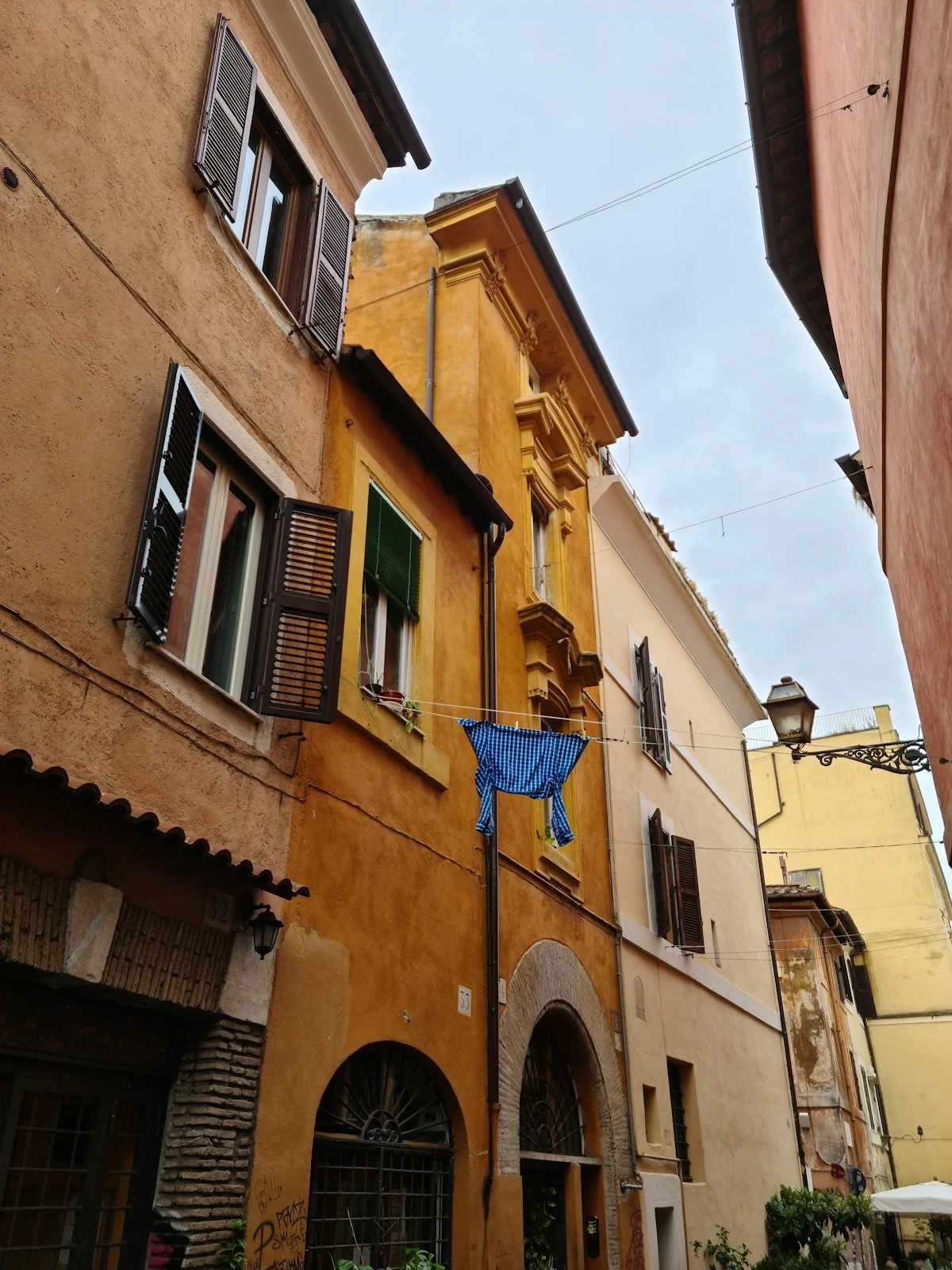
For narrow lanes, a church square and a gentle morning of looking around, choose Trastevere. Begin near Piazza di Santa Maria in Trastevere, explore the nearby streets and leave time for a meal. Crossing the river towards Tiber Island can connect the walk to the Jewish quarter, but it need not become a race back to every central landmark.
For a food-led day and a different relationship with the city's history, choose Testaccio instead. Build the walk around the neighborhood and its market, checking actual market activity for your day. Do not assume every stall is open whenever you arrive. Keep the Aventine as an optional uphill extension if you still want a viewpoint after lunch.
These are alternatives. Combining both neighborhoods, the Janiculum and another museum defeats the purpose of the third day. If a particular church or exhibition is your main interest, use its own visitor information to decide when to go, then build the streets around it.
Adjust for weather and the people walking with you
In hot weather, put the exposed stretches earlier and reserve the middle of the day for a longer pause. In rain, shorten the outdoor links and select one available interior rather than inventing a covered route across the city. With children or a stroller, fewer transitions and a reliable break can be more useful than one extra famous stop.
Discuss the daily priority with everyone before leaving. If one person wants a long museum visit and another wants food and streets, separate part of the day and choose a clear meeting place. A three-day plan has enough flexibility for different interests if every hour is not already occupied.
Leave the final afternoon easy to change
If you are departing that day, keep the last walk close enough to your luggage and onward transport to return comfortably. Check the actual station on your ticket: Rome has more than one important railway station. Do not let a beautiful last-minute detour consume your departure buffer.
Use Rome Walks to select a route for each area instead of drawing one enormous path across all three days. Download available materials and check the route's finish before starting. Let the final choice be personal: another square, a quiet meal, or simply the street you wanted to walk through again.
Official sources
ROME WALKS
The city, in your pocket.
A route for your mood. Stories behind the stones. A map that brings it all together.
Get Rome WalksApp Store ↗