You can see the Trevi Fountain from the square without buying an admission ticket. Since 2 February 2026, getting closer inside the controlled perimeter costs €2 for visitors who do not qualify for an exemption. Decide which experience you want before joining a line: the full architectural composition is visible from outside, while the inner area changes your distance from the sculpture and water.
This guide concentrates on that choice and on looking at the monument. It does not turn Trevi into one hurried stop in a day covering all of Rome. Check the fountain’s own website for the current admission arrangements and maintenance notices before making a special journey.
Start with a view from the square
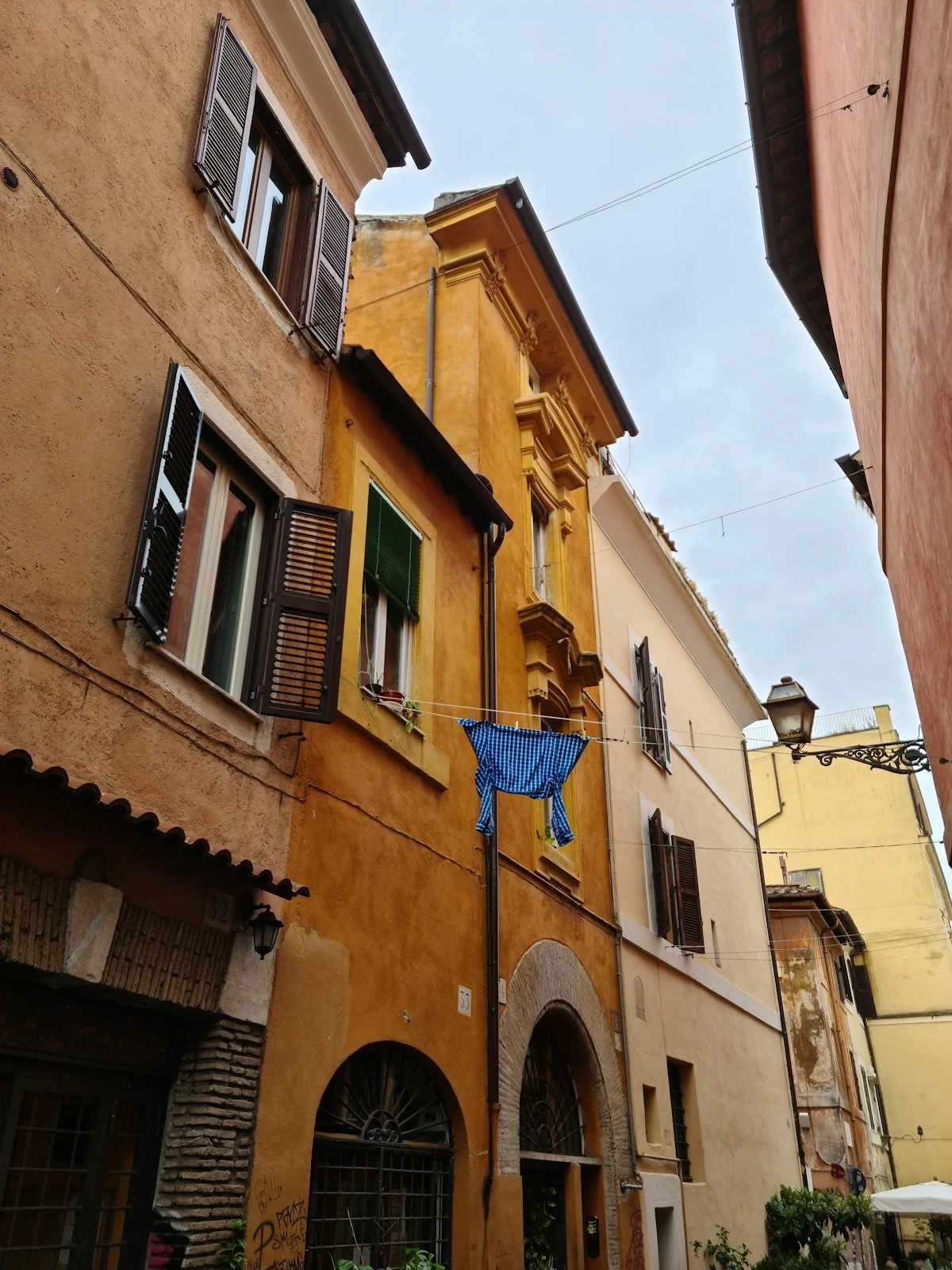
Approach Piazza di Trevi and move clear of the mouths of its narrow streets. Find a legal standing position outside the controlled area where you can see the fountain against Palazzo Poli. Take in the building, the central arch and the spread of stone and water together. Beginning with a detail on your phone makes it harder to understand how large the whole setting is.
The square remains a public place with people crossing it. Agree on a meeting corner before separating, rather than expecting everyone to remain beside the same stretch of railing. A first broad view may be all you need, especially if close access would consume the time reserved for another visit.
Choose admission before the queue
The official route enters the controlled perimeter from Via della Stamperia and leaves towards Via dei Crociferi. Follow today’s signs and staff instructions rather than trying to enter against the flow. Tickets can be bought through the official website and authorized outlets; payment at the fountain itself is by card. Having cash does not solve an on-site card-only purchase.
The official FAQ lists exemptions, including children under six, qualifying Rome and metropolitan-area residents, and disabled visitors with one companion. Check the complete conditions and the proof required for your party. An exemption concerns admission; it does not establish whether every part of the approach suits a particular mobility need. The square’s free view is a separate option, not an exemption requiring a ticket.
Look for Oceanus and the two horses
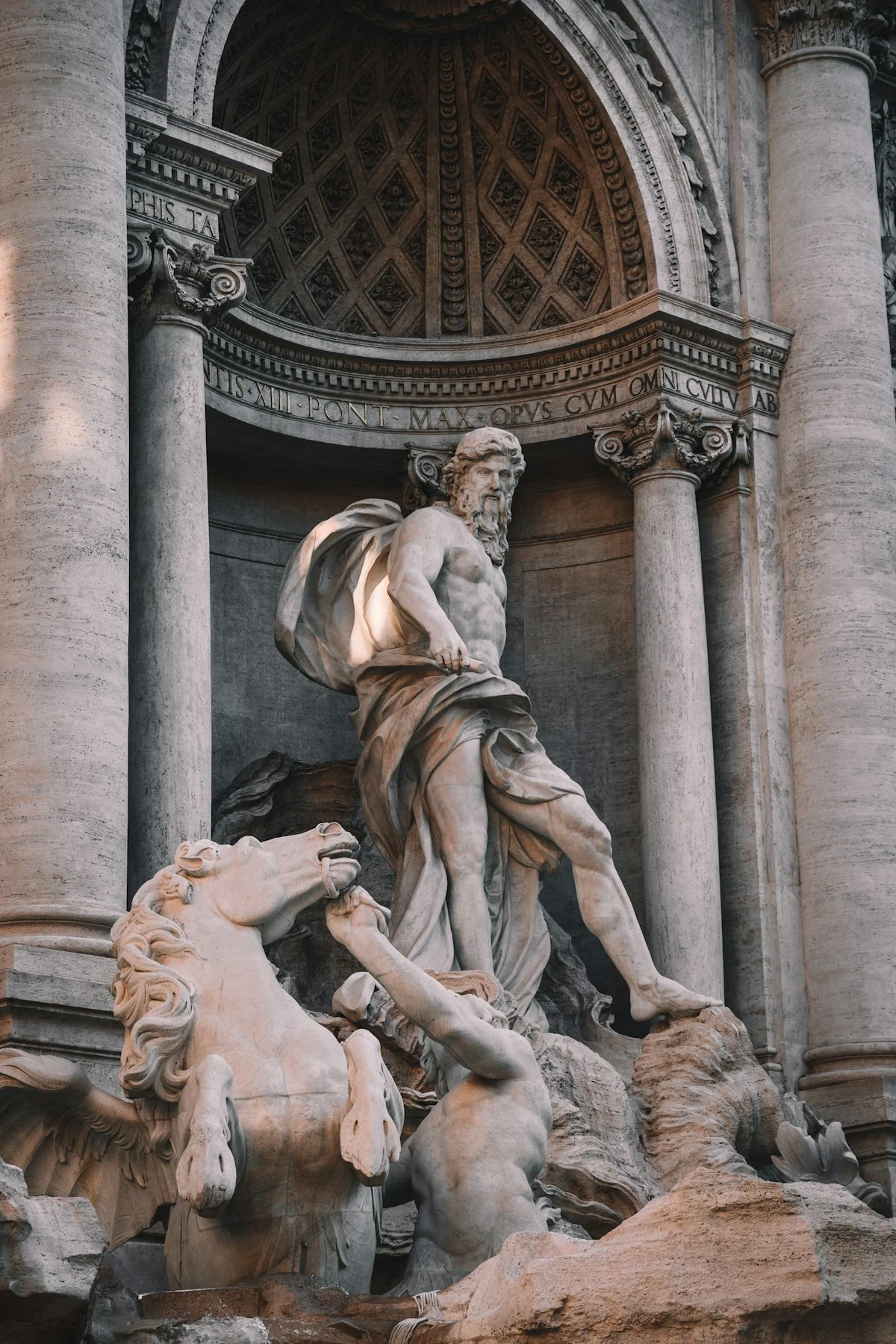
At the centre is Oceanus, rather than a statue simply labelled Neptune. Compare the horses and their tritons: one horse appears restless, the other calmer. Start with that difference, then look at how their movement carries your eye towards the central figure and the shell-shaped chariot. Stay within the permitted visitor space to change your angle.
The eighteenth-century design is associated with Nicola Salvi and its completion with Giuseppe Pannini. Palazzo Poli provides an architectural backdrop, while the rocky forms bring the sculpture down towards the basin. From a little farther away, you can compare the ordered façade with the irregular rocks below it. That change of texture is easier to appreciate when you leave space around the central figure in your view.
Connect the fountain with the aqueduct
Trevi marks the monumental end of the Acqua Vergine. The reliefs above the main sculptures connect the setting to the aqueduct story: Agrippa’s project and the tradition of a young woman indicating the water source. Treat the latter as a narrated tradition, not a witnessed event whose details have been independently established here.
Look upwards before leaving, then return to the whole façade. The fountain communicates a story about water through architecture, allegory and movement; it is more than a place for a coin photograph. There is no need to make promises about returning to Rome or relationships in order to enjoy the scene.
Allow for the lower level and changing access
The surrounding streets have uneven paving, crowded pinch points and changes of level; closer access involves a different physical route from viewing at square level. Ask about the actual entrance and exit if steps or standing are difficult. A ticket or exemption should not replace that check. Do not sit on the monument, climb it or touch the water; follow the displayed rules.
I would allow about 30–50 minutes for an unhurried exterior look and this observation sequence. A queue and time within the perimeter add an uncertain amount. Opening can begin later on maintenance days, and dated notices supersede a general timetable. The official site also states there are no toilets or cloakroom inside the perimeter.
Leave by one useful continuation
Choose the Pantheon squares walk for another compact public-space visit, or the Bernini walk for a different sculptural thread; Trevi itself should not be credited wholesale to Bernini. Save your chosen approach and departure with offline walking preparation. Fountain admission remains separate from any walking app or attraction tour purchase.
Official sources
ROME WALKS
The city, in your pocket.
A route for your mood. Stories behind the stones. A map that brings it all together.
Get Rome WalksApp Store ↗