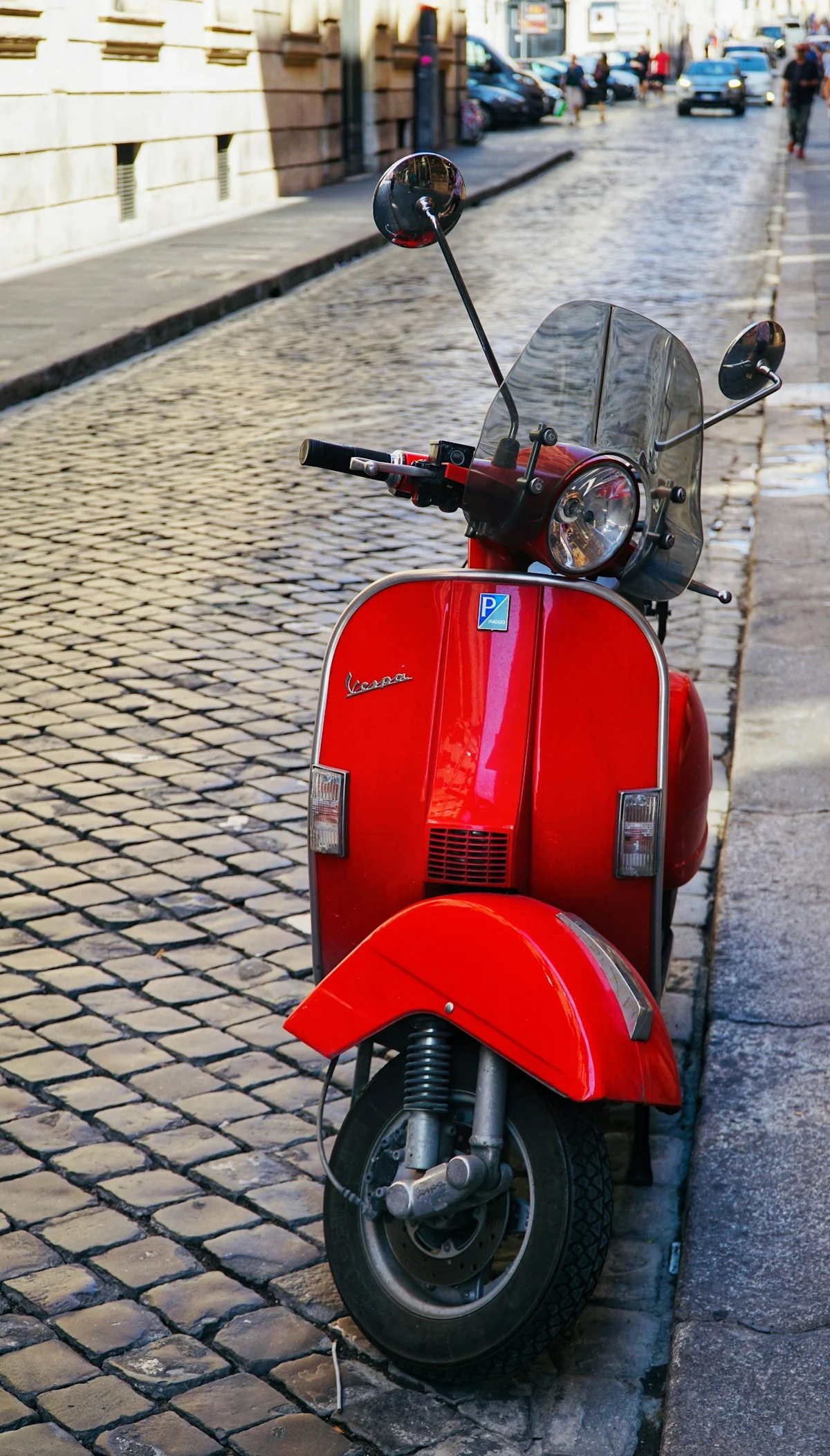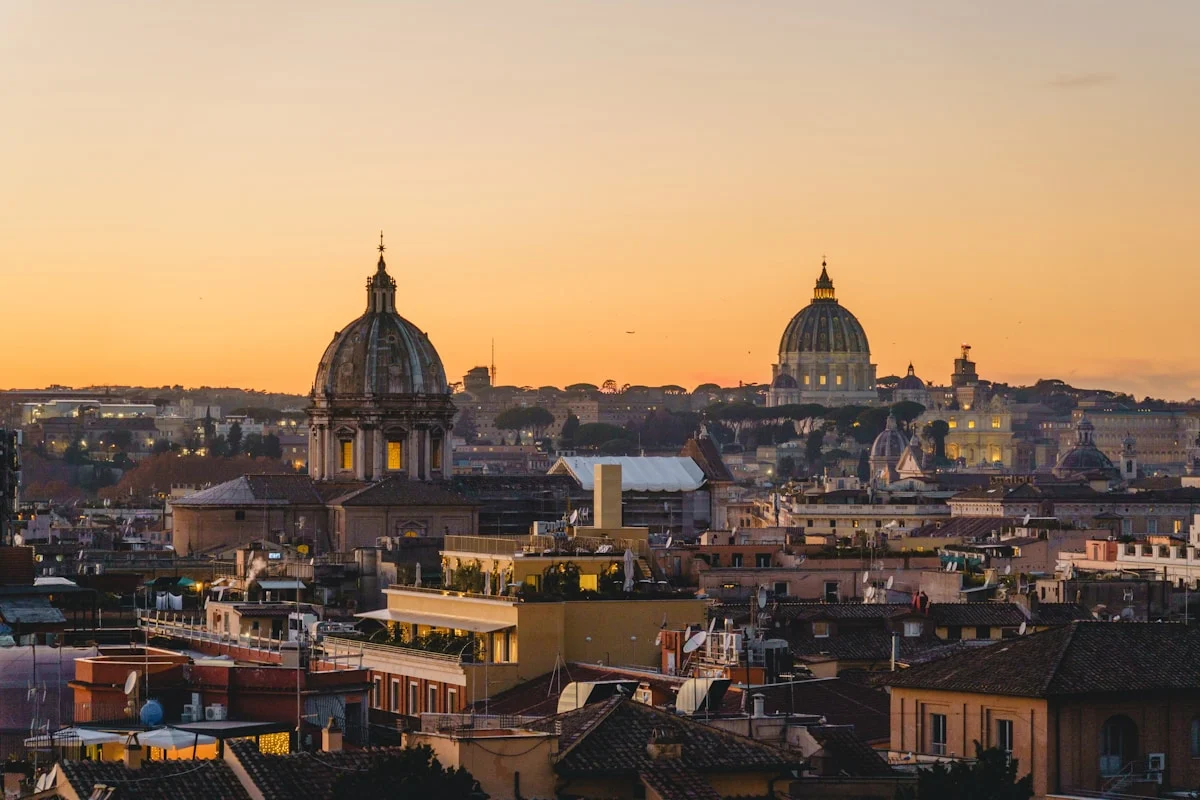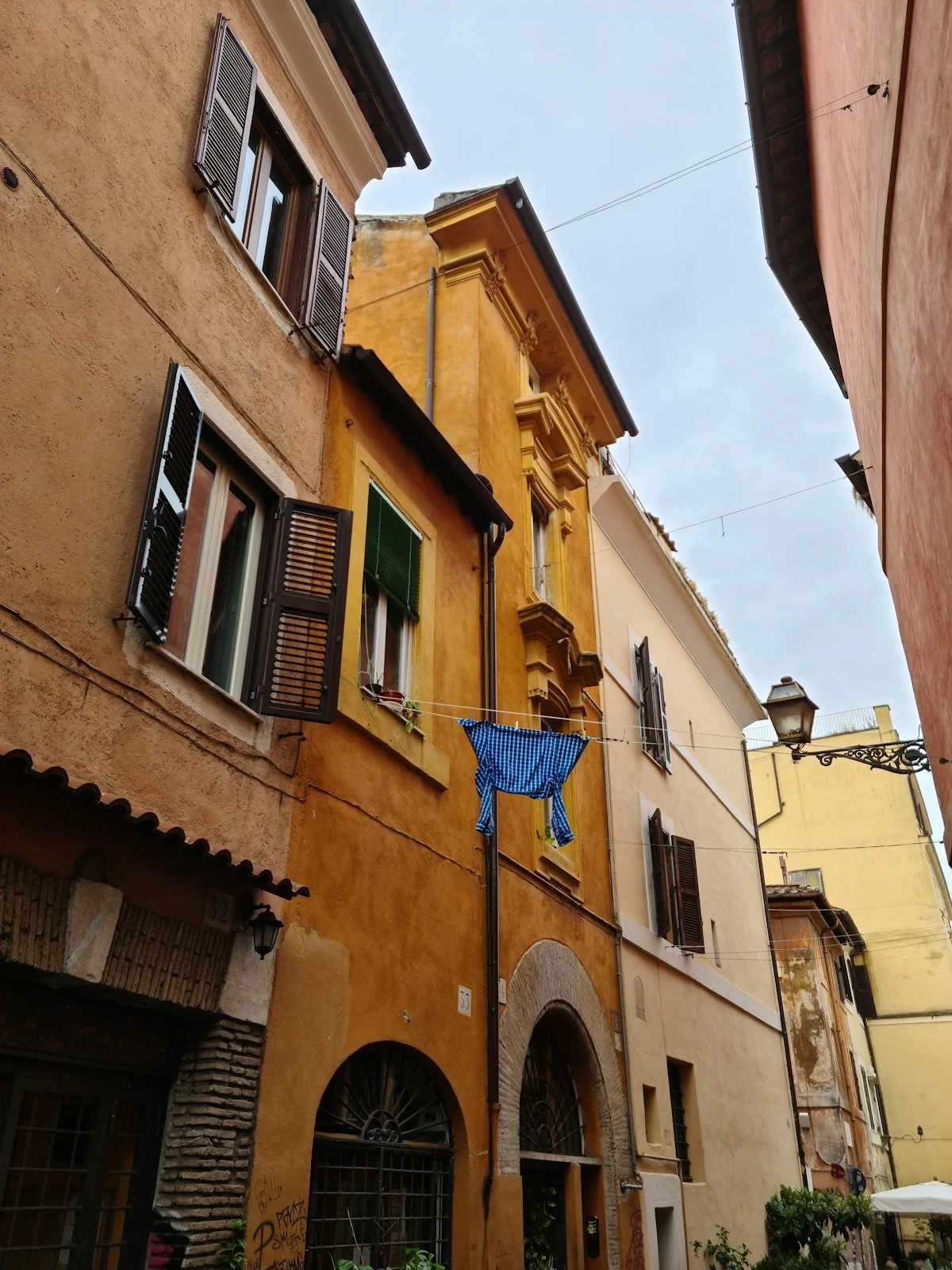
For a small art-themed walk, leave Piazza di Spagna along Via del Babuino, enter Via Margutta at its southern end, find the Artists’ Fountain and continue along the street before returning to Via del Babuino towards Piazza del Popolo. The interest is the contrast between a major urban axis and a former working backstreet at the foot of the Pincio.
This is an outdoor street visit, not a promised studio tour. Allow about 45–70 minutes as my estimate with looking pauses, excluding gallery interiors, purchases, food and a climb onto the hill. You can walk the route even when businesses are closed.
Leave the busy square deliberately
Start at Piazza di Spagna at street level. Follow Via del Babuino in the direction of Piazza del Popolo and locate the signed southern access to Via Margutta. Check the map before turning: taking an uphill stair or entering a courtyard does not necessarily put you on the public street.
Notice the change in scale as you leave Babuino. Look at the line of entrances, building fronts and vegetation where present. A quieter-looking street is still a place where residents, deliveries and visitors move. Keep doorways open and stop at a position that leaves a usable passage.
Understand the working backstreet
The municipal history describes Margutta as the rear service street of grander buildings on Via del Babuino, with stores, stables and homes and workplaces for tradespeople. Its later reputation for artists and studios grew out of a changing urban setting. Looking at it solely as a picturesque film location leaves that practical history out.
Compare smaller entrances with the broader fronts on the parallel street. The point is not to assign an unverified former occupation to every doorway. Instead, look for how service space and prestigious frontage could sit close together. Nineteenth-century changes also helped turn the lane into a more established street. Its present appearance is not an untouched medieval scene.
Read the Artists’ Fountain closely
At the Fontana degli Artisti, look for the tools before the water. Pietro Lombardi’s design of the late 1920s assembles references to artistic work: easels, palettes, compasses and a container of brushes and sculptors’ tools. Two masks show different expressions. Choose a few shapes you can recognize rather than trying to memorize a catalogue.
Step back to see how the composition is fitted against the building, then return to one mask or tool. The fountain belongs to a municipal series that expressed neighbourhood identities through objects and emblems. It is a twentieth-century interpretation of the street’s artistic character, not an ancient monument left by a famous resident. Follow any protection or maintenance arrangements in place.
Let actual galleries determine an indoor stop
Continue along the public street, looking at the galleries and craft premises that are present on your day. If a space welcomes visitors, read its exhibition notice and opening conditions before entering. An open door may serve a private appointment. Ask before photographing artwork or going beyond the public room.
The street is associated with the outdoor “100 pittori” exhibition, but that event occupies particular announced days. It is not a permanent display or proof that artists will be working outside today. Check an actual dated programme if the event is your reason to come. No purchase is needed for the street walk, and the route makes no recommendation about investment or the value of an artwork.
Return to Babuino and choose your finish
Continue to Margutta’s northern connection with Via del Babuino, then follow the latter towards Piazza del Popolo. Before the larger square, look back at the difference between the narrow street and the main axis. Babuino is one of the three routes forming Rome’s Tridente, with Via del Corso and Via di Ripetta spreading from Popolo.
This finish keeps you at the lower level. A courtyard staircase is not a public shortcut to the Pincio; a hill or park extension adds climbing and time. You do not have to turn a small street visit into the entire park and museum day.
Keep the route proportionate
The main street sequence avoids the Spanish Steps climb, but paving, kerbs, narrow passages and slopes still need individual assessment. For access questions, use the limited-mobility guide. Public street walking needs no attraction ticket; galleries, special events and private tours may have separate conditions.
The Villa Borghese guide helps plan a distinct park continuation if you want one. Save the southern entrance, fountain and northern exit with offline preparation, so an appealing private doorway does not become your navigation plan.
Official sources
ROME WALKS
The city, in your pocket.
A route for your mood. Stories behind the stones. A map that brings it all together.
Get Rome WalksApp Store ↗