The metro works best as a way to reach a Roman neighbourhood, then leave you free to explore it on foot. Instead of trying to find a station beside every sight, choose one walking area, a sensible arrival point and a practical way home. Include the time from your accommodation to the platform and from the exit to the actual destination. A short train ride is only part of the journey.
Begin with the walk, then choose the stations
Write down the first and last places you want to visit. Look at ATAC's current metro and urban railway map, identifying the line and direction for your journey. Rome's metro includes A, B/B1 and C; extensions, work and interchange arrangements make a current map more useful than an old screenshot. B and B1 share part of their route, so check the train's destination if you travel towards the branches.
For a compact outing, use the train for the long approach and walk between nearby sights. An open-ended stroll can finish at a different station or continue by an appropriate surface service. It need not return to the first station simply because that was where you started. Conversely, a loop can be useful if your return journey is straightforward there.
An ancient-centre example
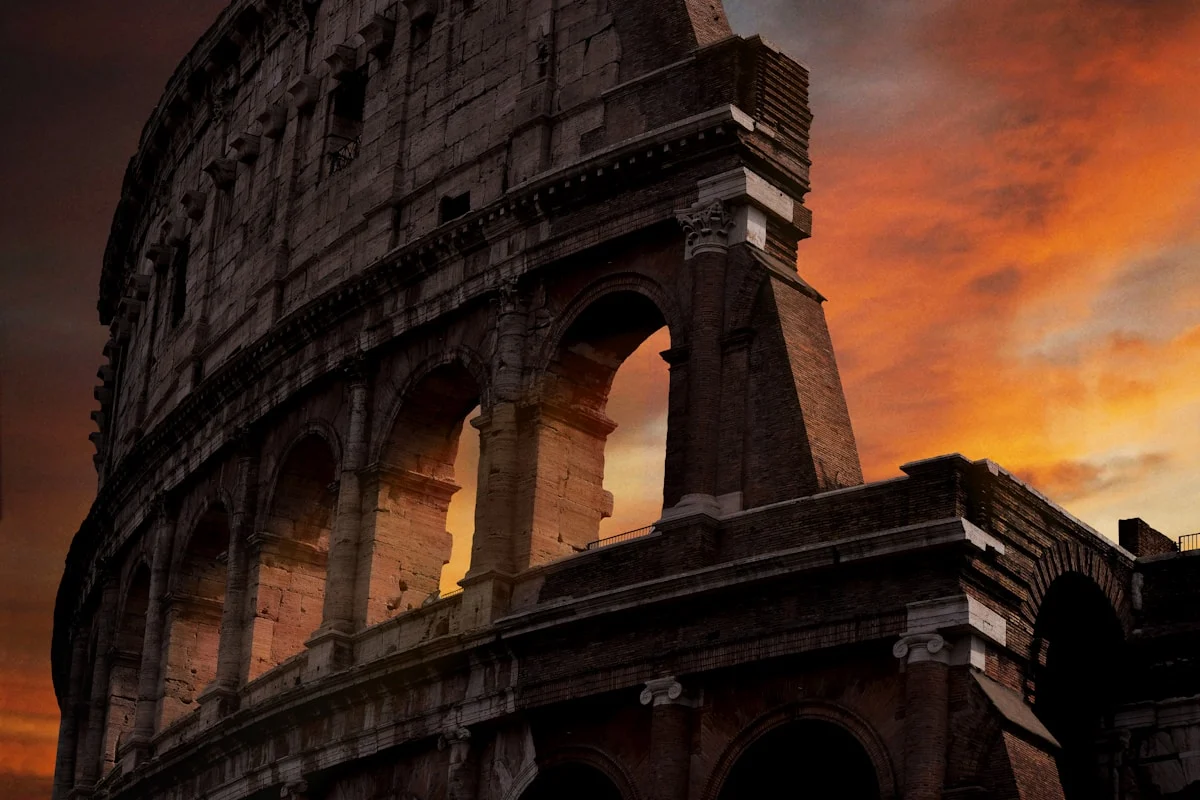
From accommodation near Termini, a metro journey to Colosseo can place you near the beginning of an exterior walk. After finding the correct exit and the pedestrian route, continue towards Via dei Fori Imperiali and Piazza Venezia, then decide whether to extend towards the Pantheon. This is a walking-day idea, not a promise that every pavement or crossing is unchanged by works.
Keep Colosseum or Forum admission separate. A station bearing the monument's name is not the entrance printed on your reservation. Add time for the approach, controls and a wrong turn. If you booked an interior visit, build the day around that appointment and decide which exterior sections to shorten afterwards. Do not fill every minute before a fixed entry time.
A Vatican-area example
On Line A, compare Ottaviano and Cipro with the entrance you actually need. The Vatican Museums entrance on Viale Vaticano and St Peter's Square are distinct destinations. Choosing the station from the word “Vatican” alone can leave you with an avoidable walk around the walls. Check the walking approach after leaving the station, including crossings and any temporary diversions.
After your chosen visit, an exterior walk along Via della Conciliazione towards Castel Sant'Angelo may suit the remaining time. Plan the return from where you expect to finish, rather than automatically walking back to the morning station. Museum time, security queues and a meal can substantially change how much walking you want afterwards.
Understand the ticket before entering
ATAC describes the BIT as valid for 100 minutes from first validation, with one metro journey under its interchange conditions. That does not mean unlimited separate metro entries for 100 minutes. If you leave the paid area to see a square and later re-enter, check the ticket needed for that new journey. Current prices, exclusions and special interchange rules are on the official ticket page.
Validate the ticket as required for its format and keep it throughout the journey. Buying a digital ticket and activating it are not necessarily the same step. If you choose Tap & Go, read its separate rules: use the same card or device and confirm acceptance. Airport services and other operators need their own coverage check; a city metro ticket is not a general pass for every train on a map.
Check service and the whole accessible path
Before setting off, consult ATAC's service status and notices for your line. Normal published hours do not resolve a closure or replacement service on your day. Add a fallback that you can actually use, such as a shorter walk or another suitable connection, especially before a timed visit or the journey home late in the day.
If lifts or step-free access matter, consult the current station accessibility page for both ends and any interchange. A lift symbol on a network map does not establish that every lift is working or that your chosen street exit is usable. Count the station passages and changes of level as part of the journey, not a gap in your walking plan.
Keep transport and audio preparation separate
Save the station names, direction and walking start before departure. Download your available Rome Walks content while connected, then use the live transport information for the approach. At the station exit, stop somewhere clear of pedestrian flow to orient yourself. Once the start is confirmed, you can enjoy the walk without repeatedly returning underground for a single nearby sight.
Official sources
ROME WALKS
The city, in your pocket.
A route for your mood. Stories behind the stones. A map that brings it all together.
Get Rome WalksApp Store ↗