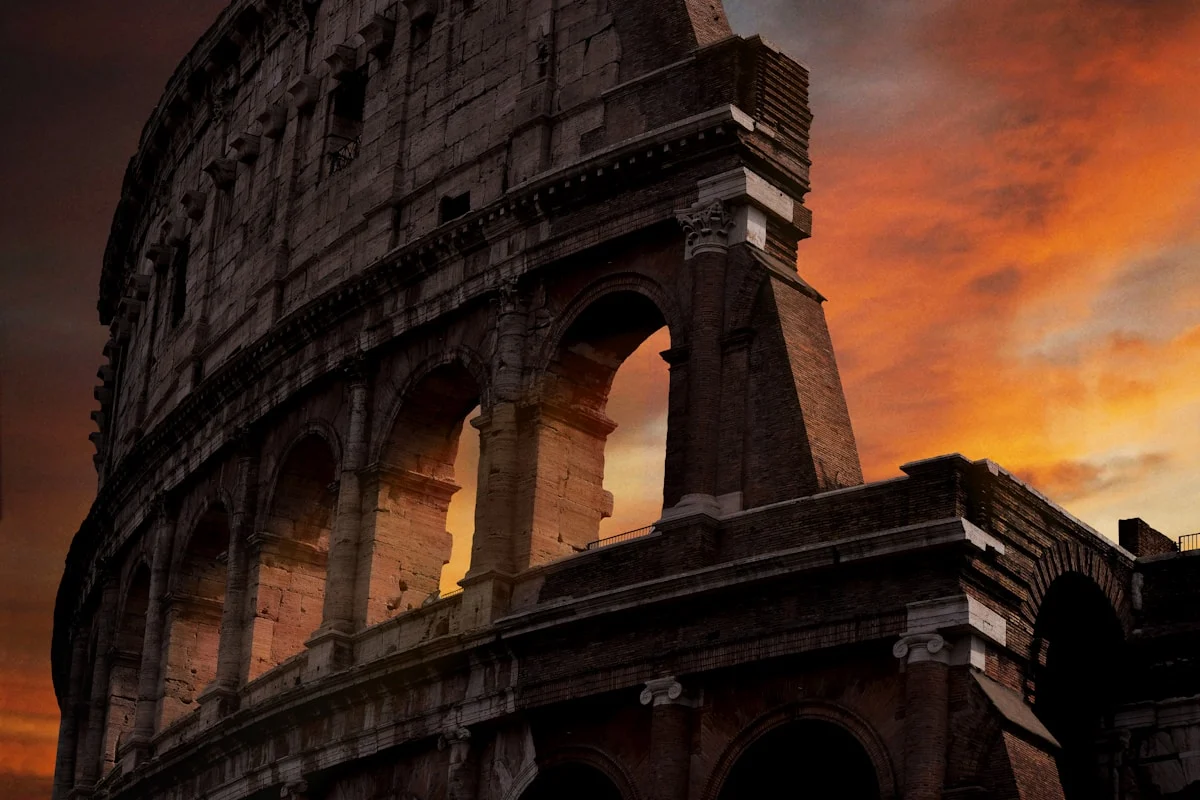
Plan the Roman Forum as a proper archaeological visit, with a verified ticket, chosen entrance and a manageable sequence of stops. Allow roughly 2–3 hours for a focused Forum visit with pauses; adding the Palatine, special interiors or the Colosseum makes a larger outing. These are planning estimates, not official minimum or maximum durations.
Walking along Via dei Fori Imperiali outside is different from entering the Forum. Before buying anything, decide whether you want the archaeological area, the amphitheatre, particular restricted spaces or a combination. The name of a ticket is less useful than its exact included areas and validity conditions.
Read the current ticket details
Use the archaeological park's official ticket information and the sales link it provides. Options differ, and not every ticket includes every interior or the Colosseum. Check the date, any timed reservation, number of admissions and the rules for the areas you actually want.
Do not assume that leaving to have lunch allows you to return. Read the re-entry conditions of your specific ticket before planning a break outside. Likewise, a Colosseum booking time should not be treated as the opening time of every neighboring site. Keep confirmations available offline and preserve enough battery to present them when required.
Choose an entrance before navigating
The Forum-Palatine area has multiple access points; use the official visitor information and current notices to select one that is operating and suits your route. A generic map pin may lead to the center of the ruins rather than a usable gate. Save the entrance itself and check the approach from your station or hotel.
If entering near the Arch of Titus, the sequence below can guide a first visit. From another entrance, adapt the order instead of walking across the entire site solely to recreate it. Temporary closures and staff directions take priority over a saved plan. Select an exit before the group becomes tired.
Follow one historical spine
From the Arch of Titus area, orient along the Via Sacra and choose a stop by the Basilica of Maxentius. Look at the surviving height and volume rather than trying to reconstruct every missing wall immediately. A useful question is what kind of public activity required such a large covered space.
Continue toward the Temple of Antoninus and Faustina. Read the site interpretation and notice the relationship between the ancient structure and later use. Keep a few important names connected to visible places. A long list of dates read while walking over uneven stones is unlikely to make the visit clearer.
Add the Vestal area deliberately
If the path is available, include the Temple of Vesta and House of the Vestals as a selected branch. Use the signs to distinguish the remains and understand their setting. You do not need to climb onto stones or leave the visitor path for a better view.
Then return your attention to the central Forum. Choosing a branch and returning to the main route is more manageable than pursuing every visible path. With children, ask them to compare a column, an arch and a broad foundation, giving the ruins a few recognizable shapes rather than a full lecture at every stop.
Finish toward the central monuments
Continue, as access permits, toward the area of the Basilica Julia, Temple of Saturn and Arch of Septimius Severus. The objective is to see how several civic, religious and commemorative buildings relate around a shared space. Use official signs rather than guessing that every standing column belongs to the same temple.
The Curia and other interiors depend on the ticket and current access. Special SUPER spaces are not an automatic extension of all admission types and can have capacity limits or closures. If one is your main reason to visit, verify it individually before purchase. Do not promise the group every room listed in an old blog post.
Decide about the Palatine separately
The Palatine adds elevation and another set of places. It may fit your day, but it should not be a compulsory afterthought when everyone is already tired. Reserve additional time and choose a small number of priorities if you continue.
If the Forum is enough, use the selected permitted exit and take a real break. A focused visit with a few understood places is more useful than a rushed circuit completed only because the ticket covers a larger area. Having access does not oblige you to use every possible route.
Plan for terrain and weather
Expect uneven ancient surfaces, exposed sections and changes of level. Wear appropriate shoes, bring water and check current weather-related notices. In heat, reduce the scope and rest before discomfort dominates; in rain, move cautiously and follow any closures. A green patch on a map does not guarantee a shaded resting place when you need it.
For limited mobility, consult the park's accessibility guidance and contact visitor services about the exact entrance and connections. An accessible area label does not make every ancient path equally usable. Rome Walks can support the sequence and stories, but admission and on-site accessibility remain separate arrangements. Download available material before departure and keep your next stop simple after the visit.
Official sources
ROME WALKS
The city, in your pocket.
A route for your mood. Stories behind the stones. A map that brings it all together.
Get Rome WalksApp Store ↗