Rome's small public drinking fountains make a refillable bottle useful on a city walk. The familiar cast-iron fountains are called nasoni, after their projecting, nose-like spouts. Acea, the water provider, identifies their supply as drinking water from the same system that serves Roman homes. Use an identifiable drinking outlet and follow any notice at the actual fountain; a decorative pool is a different thing.
Recognise a refill point rather than any fountain
A nasone is usually modest enough to walk past while looking for a monument. Its practical purpose is to dispense water, not provide a basin for visitors to enter. Rome also has drinking outlets of other designs. Identification and current signage matter more than whether the fountain has exactly the shape you saw in a photograph.
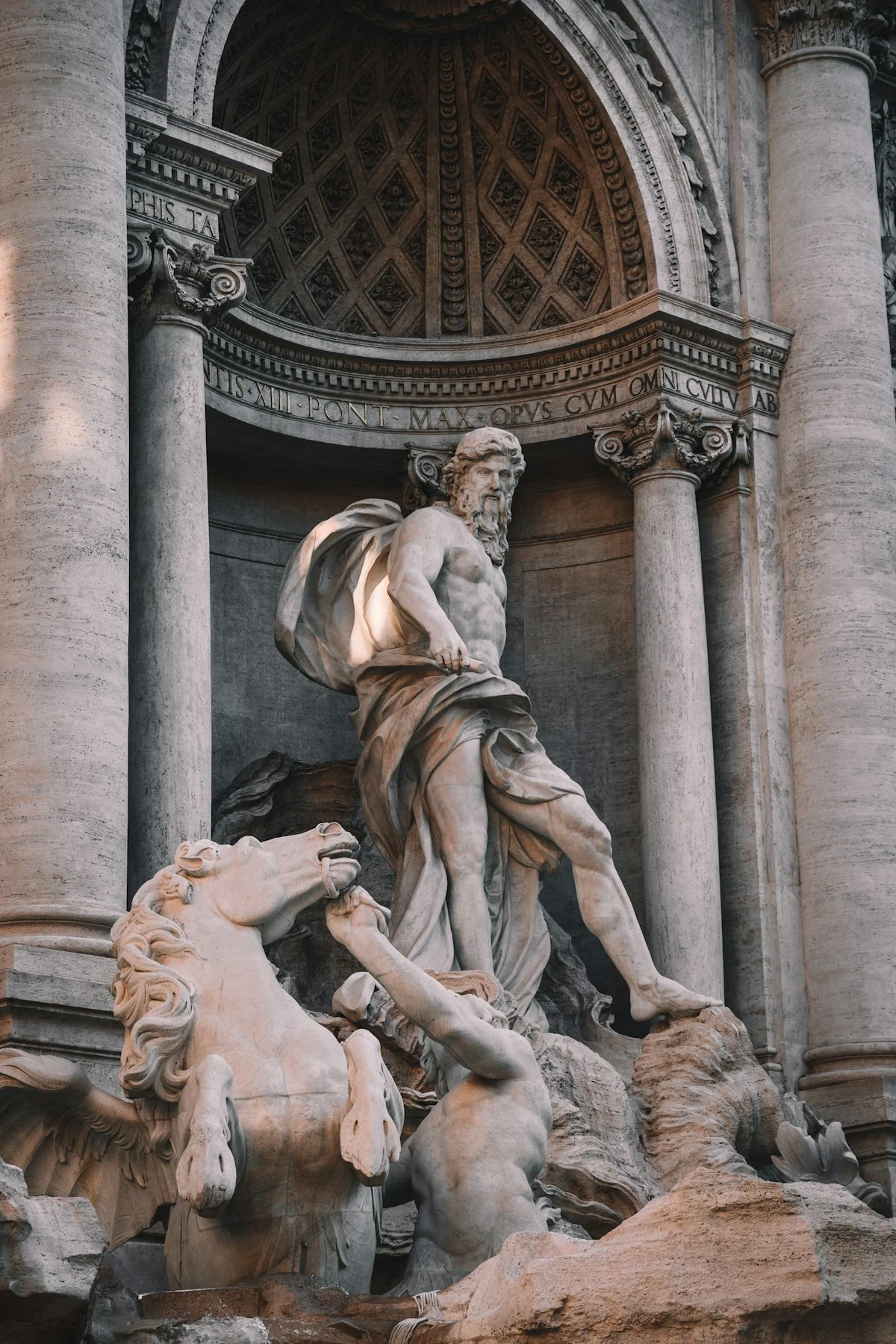
Do not collect water from the basin of the Trevi Fountain or another ornamental fountain. A grand sculpture, clear-looking water and the sound of a flowing jet do not make a decorative basin a drinking point. If a drinking outlet is provided near a monument, find that outlet separately. Signs such as acqua non potabile mean the water is not for drinking. Respect closures and barriers rather than treating a map pin as permission to use an installation.
Find water before your bottle is empty
Acea's page links to Acquea, its app for locating water points, including nasoni and water houses. Use it as a planning aid, then confirm what you find on the street. A marked point may be out of service, inaccessible behind temporary works or awkward to reach from the side of the road you are on. One pin should not be your only plan for a long exposed walk.
Before departure, look for a refill near your start, another near a planned break and an alternative such as a café or shop. Save the locations you need if your connection will be limited. A route map downloaded for an audio walk and a current water-point map serve different purposes: check each rather than assuming one includes the other's information.
Use the fountain considerately
Keep the bottle opening clear of the spout and fill from the stream without resting the rim on the outlet. Leave space for someone who only needs a quick drink, and avoid blocking the pavement with bags. There is no need to turn a refill into a long photo stop while other people wait.
Use your bottle for its intended drinking purpose and put rubbish in a bin or carry it away. Do not wash food containers in a way that leaves scraps around the fountain, and do not use a monument's basin for washing yourself or your belongings. If a pet needs water, use a separate suitable container and keep it away from the drinking outlet.
Adjust the plan to the walk
In the historic centre, refill during a natural pause between sights instead of interrupting every few minutes to search. On the Appian Way or in the Aqueducts Park, leave with water already in your bag and treat later refill points as useful possibilities. Those walks cover more open ground, and detouring towards a distant pin can add considerably to the return.
The same applies on the Janiculum or Aventine: a climb is not the moment to discover that your only bottle is empty. Consider the weather, the length of your outing and your own needs when deciding what to carry. A working fountain does not replace shade, rest or shortening a walk in uncomfortable conditions.
What to do if a mapped outlet is unavailable
Choose the next practical option instead of trying to operate a closed fountain. If necessary, buy water at a shop or stop at a bar, reading the price before ordering. At a bar, naturale normally asks for still bottled water and frizzante for sparkling; specify what you want rather than assuming the house will refill a bottle as part of any purchase.
Keep the detour proportionate. Crossing a large road or walking downhill and back uphill to save one refill may make little sense when you are already tired. Reconsider the rest of the route if the missing stop leaves you without enough water for the next section.
A small preparation that improves the day
Before your Rome Walks outing, check the selected start, fill your bottle, identify one realistic replenishment stop and keep a fallback in mind. Carry less unnecessary weight, but do not make the entire plan depend on one fountain. The aim is a pleasant walk with convenient pauses, using the city's drinking infrastructure as it is on the day you visit.
Official sources
ROME WALKS
The city, in your pocket.
A route for your mood. Stories behind the stones. A map that brings it all together.
Get Rome WalksApp Store ↗