Taking a stroller around Rome calls for a plan that includes the street surface, the arrival and the return. A short distance on a map may still contain narrow pavements, kerbs or a staircase. Start with a small area and leave room to turn back. This guide suggests how to assess an outing; it does not certify a continuously step-free route or every pavement's current condition.
Check the route from your actual doorway
Mark your accommodation, the first sight and the return stop. Look for stairs, steep approaches and the street crossings between them, not only the monuments. Include any hotel steps or station access in the same check. A convenient room location and an inconvenient entrance can change the first part of the day.
Choose a stroller you can manage with your luggage and follow its manufacturer's instructions. Avoid packing every possible item onto it, particularly if transport may require folding. Keep essentials accessible without emptying the entire bag. Make a fallback that does not depend on lifting an occupied stroller up a long staircase.
A limited outing in the Tridente
One possible outdoor plan is Piazza del Popolo, Via del Babuino and the lower part of Piazza di Spagna. The city's tourism site identifies Babuino as the link between the two squares. Allow about sixty to ninety minutes with looking stops, plus a proper break; this is a planning suggestion, not a surface or access guarantee.
At Piazza di Spagna, enjoy the square and view of the staircase from below. The Spanish Steps are not a stroller connection to include automatically. Likewise, reaching the Pincio above Piazza del Popolo is a different uphill decision, not part of this simple lower-level sequence. Staying below avoids making a famous viewpoint a compulsory obstacle.
Assess the pavement as you go
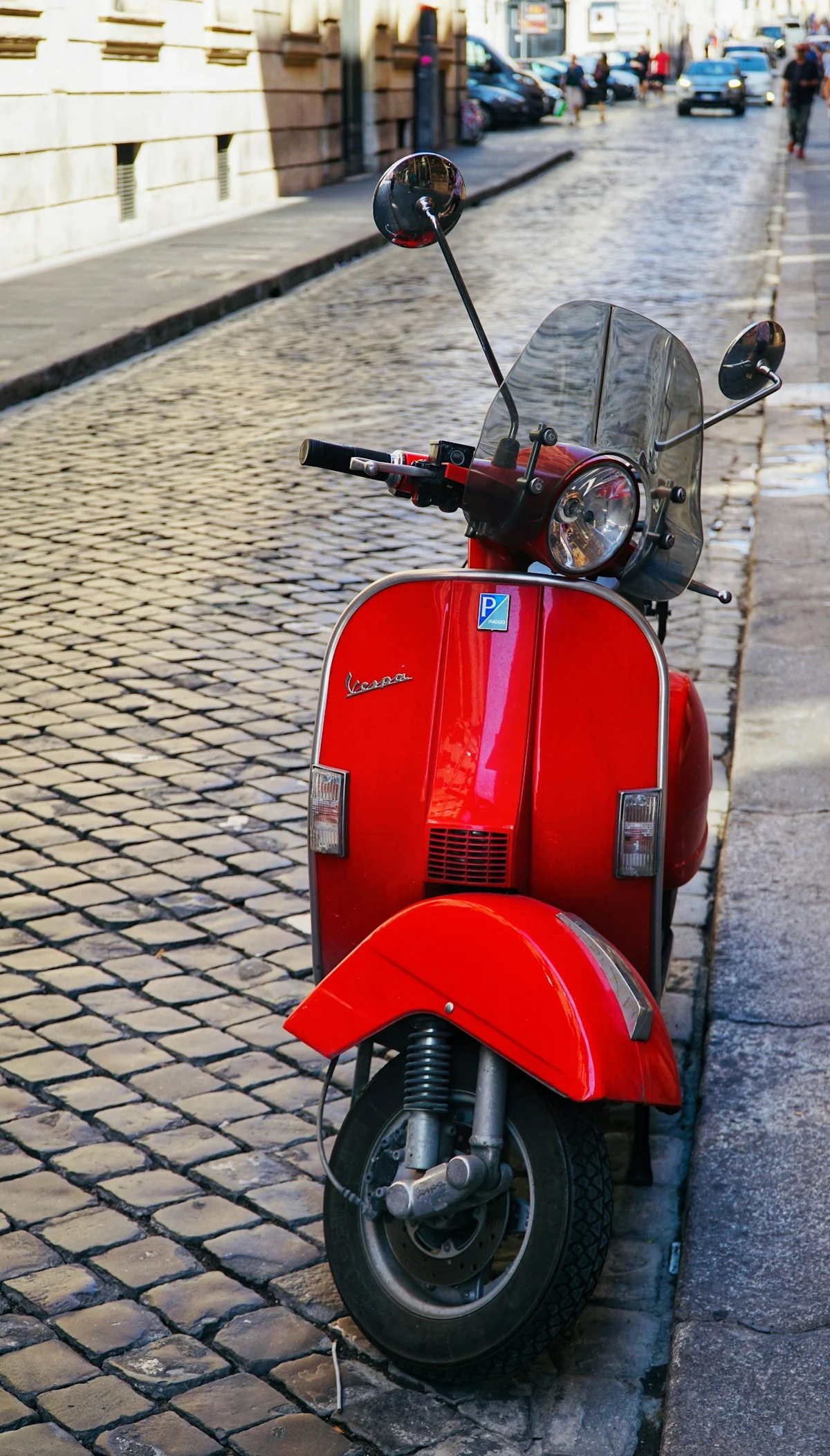
Historic paving can be uneven, and narrow sections may become harder with people, deliveries or temporary works. Keep attention on the immediate way forward rather than following a navigation line blindly. Use appropriate crossings and do not enter traffic just because a pavement is inconvenient. Turn back or change the plan if a section is unsuitable.
An out-and-back on the same street can be useful because you already know the difficult points. It may be a better choice than a nominally shorter loop with an unknown stairway. Stop where the stroller leaves space for others, and do not use a fountain edge or a busy doorway as the family's only rest area.
Treat public transport as its own check
ATAC's stroller FAQ states that carriage is free for strollers used for children and folded to minimise their bulk; consult the current transport conditions and staff directions for the service you use. Do not assume you can board every vehicle with the stroller open. Plan how the adults will manage the child, bags and folding without rushing at the door.
If the metro is involved, check the live accessibility status for the entrance, interchange and destination station. An operating train does not prove that the lift you need works. Retain a practical alternative for the return. Ticket and child-fare conditions are separate questions from whether the stroller can be carried on a particular service.
Check each museum separately
The Vatican Museums' official family page welcomes strollers and directs families to staff for a suitable itinerary and dedicated lifts. That is museum-specific information, not a rule for every Vatican site or every possible internal shortcut. Check the current arrangements for the visit you book, including the actual entrance on Viale Vaticano.
Other monuments may have different storage rules and internal routes. Ask before purchasing if keeping the stroller with you is essential. A museum that admits strollers can still involve crowds, a long visit and extra distance from the exit to your next destination. Do not attach a major museum to the short Tridente outing merely because transport appears possible.
Give breaks a place in the plan
Identify a realistic toilet or changing stop and somewhere the adults can sit. Confirm opening and access rather than treating every café as equally convenient. Carry the family's water and necessary items, and adapt the outing to rain or heat. The needs of the child and the adults pushing matter as much as the number of sights.
Download useful Rome Walks material before departure, check the chosen start and keep the phone charged. Use the guide while stopped in a sensible place, allowing street conditions to override the suggested line. Finishing at the first square or returning along a familiar street can be a successful outing; completing every point is optional.
Official sources
- turismoroma.it — › it › quartieri › tridente
- atac.roma.it — › frequently asked questions › come vanno trasportati i passeggini sui mezzi atac pagano il biglietto
- atac.roma.it — › tempo reale › accessibilità stazioni metroferroviarie
- museivaticani.va — › content › museivaticani › it › organizza visita › servizi per i visitatori › mv family friendly › agevolazioni e servizi per le famiglie .html
ROME WALKS
The city, in your pocket.
A route for your mood. Stories behind the stones. A map that brings it all together.
Get Rome WalksApp Store ↗