Visit San Giovanni in Laterano for the cathedral itself: compare the entrances, walk the main nave and decide separately about the cloister. Allow roughly an hour for an attentive basilica visit, adding time for any special area. This is a planning estimate rather than an admission slot.
San Giovanni is the cathedral of Rome because it holds the bishop’s seat, the papal cathedra. Saint Peter’s has a different role and is across the city. Use the Saint Peter’s planning guide for that visit; a reservation there does not arrange access here.
Begin by identifying your entrance
A map can bring you to different sides of this large building. The monumental principal façade is Alessandro Galilei’s eighteenth-century work. The side facing the Lateran obelisk has the other entrance portico, associated with Sixtus V. Locate both on the map before deciding where your walk starts and ends.
Look at the main façade from a suitable public position without stepping backward into traffic. Its inscription gives Christ the Saviour prominence, helping explain the dedication of a building usually known simply as San Giovanni. You do not need to read every Latin word to notice that a familiar church name can conceal a longer history.
Read the nave as architecture
Inside, pause where circulation permits and let your eyes follow the central space toward the altar. Borromini reshaped the interior for the Jubilee of 1650 while retaining the older basilica’s structural framework. The building you see combines periods; calling the whole interior either ancient or Baroque would flatten that history.
The twelve apostles occupy the large niches. Compare a pair from a reasonable distance: the niche gives each figure its own architectural setting, while repetition organizes the entire nave. The church’s explanation connects this arrangement to the heavenly Jerusalem. Read that as the design’s religious meaning rather than a claim that these are surviving ancient statues.
Look down, then toward the sanctuary
The patterned medieval marble pavement adds another scale to the room. Follow its visual direction with your eyes while leaving the main walking line clear. The ovals and reliefs above belong to an interior altered over time; their different surfaces are useful evidence that preservation and transformation happened together.
Toward the sanctuary, remember the cathedra’s role as the bishop’s seat. You need not approach a restricted area to understand why this church is a cathedral. Stay behind barriers and allow worshippers room. A service can limit movement even when the basilica remains open, so a short, quiet visit may be the appropriate choice.
Make the cloister an optional second visit
The medieval cloister offers a different kind of attention: a courtyard, surrounding passages and fragments collected along the walls. Construction began in the thirteenth century. If admitted, slow down over one carved fragment rather than treating the circuit as a photography shortcut. The surviving Annibaldi tomb sculpture is one reason to look beyond the columns.
Check the current official information before arranging your day around it. The published schedule distinguishes the cloister from the basilica and currently lists it closed on Sundays and holidays. Main-church admission does not establish that the cloister, treasury or another part is accessible. Confirm any admission conditions locally.
Keep the surrounding complex distinct
The baptistery, Lateran Palace, excavations and Scala Santa are separate visit decisions with their own arrangements. Do not assume that one open door or a tour advertisement includes them all. Choose one addition at most if the group wants a focused morning, especially when a booked visit elsewhere follows.
Basilica entry is officially free; guided services and special areas must be assessed separately. The official accessibility information describes ramps at the main approach and portico and a platform toward the transept. Ask about your exact entrance and intended spaces if using a mobility aid; those measures do not certify the entire complex.
Finish with a deliberate onward route
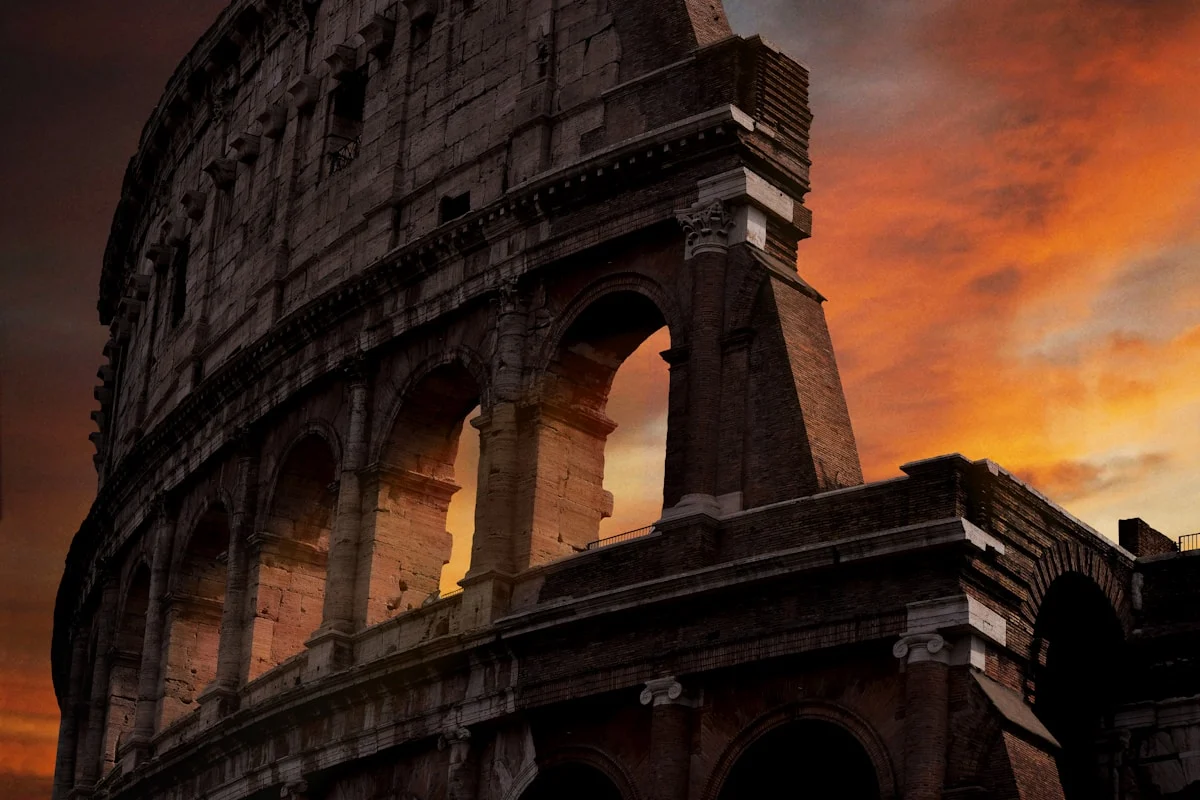
Leave time outside to find your actual transport stop or crossing. A continuation toward the Colosseum exterior is a new walking segment, not an immediate exit into the ancient amphitheatre. Check its length and the group’s energy first.
Use choose a Rome Walks route to select that next segment. Prepare background before entering and keep listening or map discussions outside worship areas. The visit is complete when you can distinguish the cathedral’s role, its layered nave and the optional cloister; collecting every Lateran doorway is unnecessary.
Official sources
- basilicasangiovanni.va — › it › info e orari.html
- basilicasangiovanni.va — › it › san giovanni in laterano › basilica › la cattedrale.html
- basilicasangiovanni.va — › it › san giovanni in laterano › basilica › facciata e logge.html
- basilicasangiovanni.va — › it › san giovanni in laterano › basilica › borromini e la gerusalemme celeste.html
- basilicasangiovanni.va — › it › san giovanni in laterano › basilica › il chiostro.html
ROME WALKS
The city, in your pocket.
A route for your mood. Stories behind the stones. A map that brings it all together.
Get Rome WalksApp Store ↗