A first Pigneto outing can stay around the pedestrian part of Via del Pigneto, with Via l’Aquila as its western reference and a short look into the adjoining streets. Allow about ninety minutes to two hours, including a drink or snack. This is an editorial allowance for a neighborhood walk, not a measured tour duration. Start and finish near the same junction; adding San Lorenzo or Porta Maggiore changes the outing substantially.
Set the meeting point before the metro journey
Pigneto station is on Metro C. The railway corridor and works around it make the precise exit and available pedestrian approach important. Save the junction of Via del Pigneto and Via l’Aquila, then check the signed public connection from your actual exit. Do not build the day around an assumed railway interchange or cross a work barrier to follow a line on a map. Our metro and walking guide explains how to check the whole connection.
Read the pedestrian street at walking pace
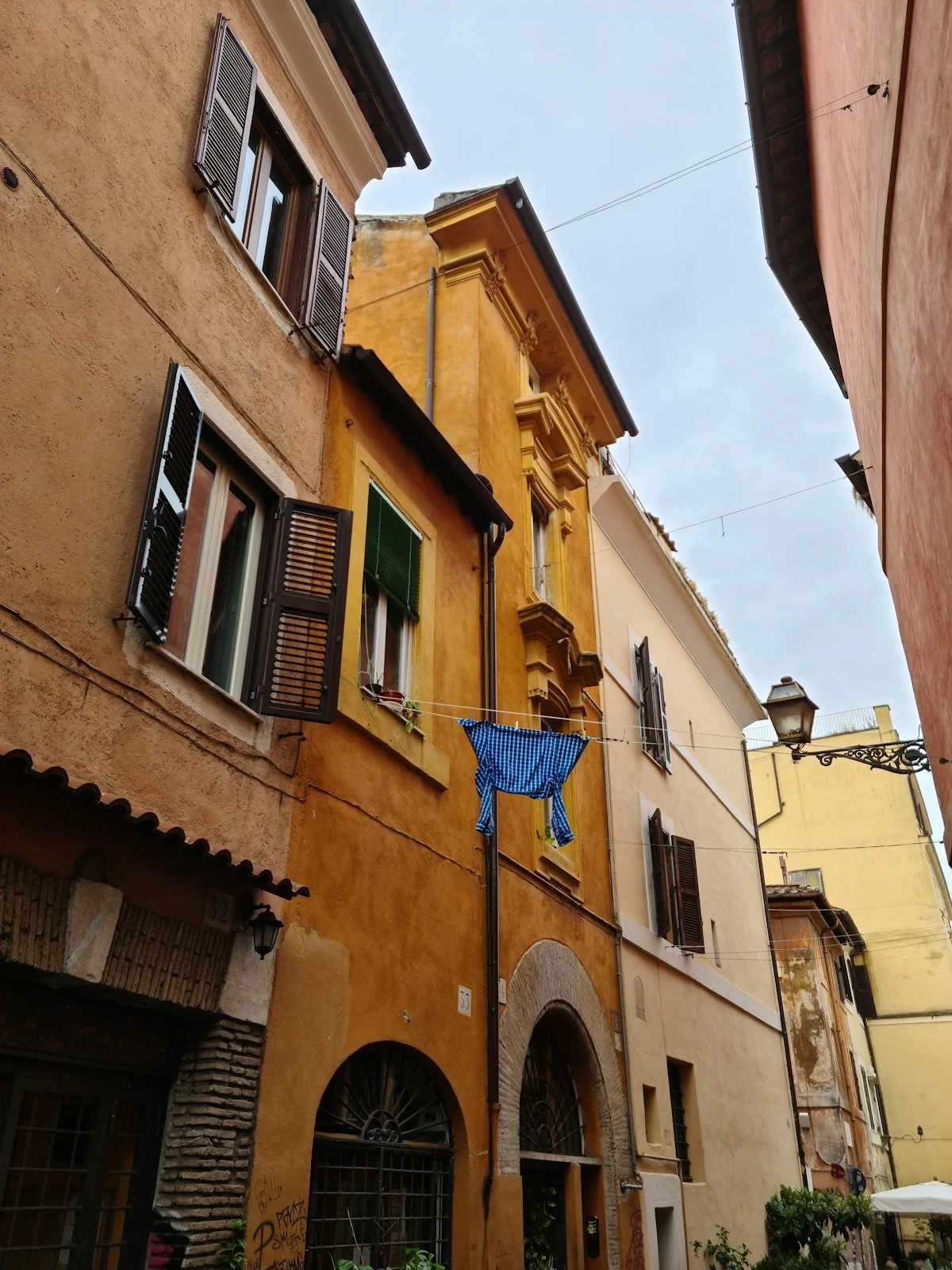
Begin with the pedestrian section of Via del Pigneto. Look at the scale of houses, shopfronts and tables rather than trying to identify a famous business at every doorway. The street mixes everyday use with eating and meeting; its daytime character is enough reason to visit even when evening venues are shut.
Walk a short stretch, pause, and return before the surroundings become unfamiliar. Pedestrian designation does not mean the whole district has no vehicles: expect deliveries, cycles and traffic at its edges. Keep children close at crossings and do not stop in a doorway to assemble the group.
Make one side-street comparison
Return toward Via l’Aquila and consider a short excursion toward Via Ascoli Piceno. Compare the more ordinary residential frontage with the social space you have just crossed. Then retrace this branch to your known junction. There is no need to cross busy Via Prenestina to make the walk feel complete.
If a public connection is closed or the pavement is awkward, omit the branch. This outing works as an out-and-back. Murals and painted shutters may change or disappear, so treat anything you see as part of the present street rather than searching for an artwork promised by an old photograph. Ask before photographing people at work.
Let the food stop determine the pace
Choose a place from its actual menu and displayed prices. Decide whether you want coffee, a small takeaway or a seated meal before ordering; these produce different endings. Ask about table service and any seating conditions instead of assuming a takeaway counter includes a table.
A piece of pizza al taglio can keep the stop short: agree the cut and check whether the price is by weight. If ingredients matter, ask about the exact item and preparation. No neighborhood label establishes dietary suitability. Leave room for residents buying food and use a bin or carry your packaging away.
Plan the return while there is still time
Return to the original junction and take the confirmed public route toward your departure stop. Check current Metro C service rather than copying the outward journey blindly. If you prefer a longer lunch, shorten the side-street exploration first; do not turn the final ten minutes into a rushed connection.
For planning in Rome Walks, first read how to choose an available route. This article does not promise a dedicated Pigneto track in the app. A satisfying afternoon here can be one street understood, a meal chosen without haste and an uncomplicated return.
Official sources
ROME WALKS
The city, in your pocket.
A route for your mood. Stories behind the stones. A map that brings it all together.
Get Rome WalksApp Store ↗